
September 1, 2026
Dentures in Sandy, UT: Facts Everyone Should Know
Learn about dentures in Sandy, UT, including full, partial, and implant-supported options. See how Intermountain Smiles can help restore your smile.

If you’re considering dentures in Sandy, UT, it’s normal to have questions about how they look, feel, and function. Missing teeth can affect the way you eat, speak, and feel about your smile, but dentures can restore both function and appearance.
At Intermountain Smiles, Dr. Ben Young and our team help patients understand their options with clear explanations and personalized recommendations. Below, we cover what dentures are, common myths, potential benefits, and frequently asked questions to help you make an informed decision about your care.
What Are Dentures?
Dentures are removable dental appliances that replace missing teeth and some of the surrounding gum tissue. Depending on your needs, dentures may replace several missing teeth or an entire upper or lower arch.
Common types include:
- Partial dentures, which replace some missing teeth while the remaining natural teeth stay in place.
- Full dentures, which replace all of the teeth in an upper or lower arch.
- Implant-supported dentures, which use dental implants to provide additional stability.
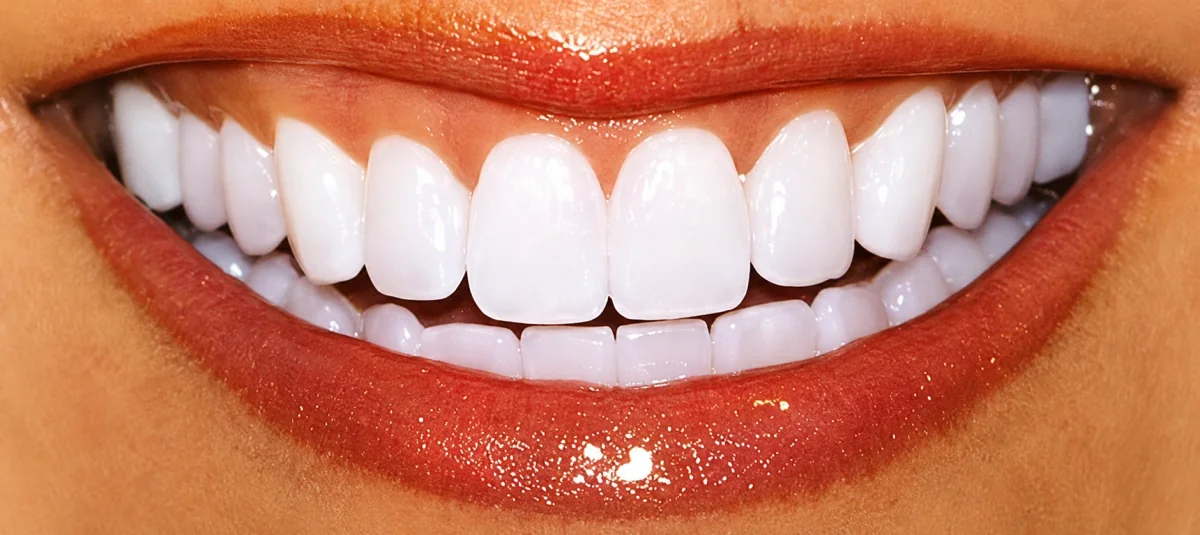
Dentures can help improve chewing, speech, and the appearance of your smile. Modern dentures are designed with natural-looking tooth shapes and shades, allowing them to blend more closely with your facial features.
Dr. Ben Young and the Intermountain Smiles team can explain the available options and help determine which approach may be appropriate for your needs.
How Have Dentures Changed?
Modern dentures are designed to look and feel more natural than many older restorations. Advances in materials and dental techniques allow dentures to be customized according to your mouth, bite, facial features, and smile preferences.
For patients who want additional stability, dental implants may be used to help secure certain types of dentures. Implant-supported dentures can reduce movement for some patients and may provide greater confidence while eating or speaking.
Appearance can also be considered as part of the treatment-planning process. When appropriate, smile design principles can help guide choices involving tooth shape, size, and color.
Your best option will depend on factors such as your oral health, treatment goals, existing teeth, bone structure, and personal preferences.
Common Myths About Dentures
Myth 1: Dentures Always Look Fake
Fact: Well-designed dentures can look very natural. Tooth color, size, shape, and positioning can be selected to complement your smile and facial features.
Myth 2: Dentures Always Slip Around
Fact: Properly fitted dentures are designed to remain stable during normal daily activities. However, fit can change over time as the gums and jaw change. Adjustments, relines, or implant support may improve stability when needed.
Myth 3: You Can’t Eat Normally With Dentures
Fact: Most patients need some time to adjust to eating with new dentures. Starting with softer foods and gradually returning to a wider variety of foods can make the transition easier. Some particularly hard or sticky foods may remain more difficult to eat.
Myth 4: Dentures Eliminate the Need for Dental Care
Fact: Regular dental visits remain important even if you no longer have natural teeth. Your dentist can examine your gums and other oral tissues, check the fit and condition of your dentures, and recommend adjustments when necessary.
How We Fit Dentures at Intermountain Smiles
The denture process begins with a thorough evaluation of your mouth, existing teeth, gums, bite, and treatment goals.
Dr. Ben Young guides patients through each stage of the process and explains what to expect. Depending on your treatment plan, the process may include impressions, bite evaluation, trial fittings, and adjustments to improve comfort and function.
Because dentures may require ongoing maintenance as your mouth changes, regular dental visits can help protect your oral health and maintain a comfortable fit. Patients interested in ongoing preventive care can also ask about the Intermountain Smiles dental membership plan.
Our team focuses on creating a comfortable, efficient experience for patients visiting our Sandy, UT office.
What Are the Benefits of Dentures?
Dentures can provide several practical and cosmetic benefits, including:
- Replacing missing teeth and restoring a more complete smile.
- Improving your ability to chew a wider variety of foods.
- Supporting clearer speech when missing teeth have affected pronunciation.
- Helping support the lips and cheeks after tooth loss.
- Providing a tooth-replacement option that may be more affordable than some alternatives.
- Improving confidence in social and professional situations.
Every patient’s experience is different, and treatment recommendations depend on individual needs. You can also read patient testimonials to learn more about experiences at Intermountain Smiles.
Frequently Asked Questions About Dentures
How Long Do Dentures Last?
Dentures can last for several years, but their lifespan varies. Normal wear, changes in the gums and jaw, and daily care can all affect how long they remain comfortable and functional.
Regular dental exams allow your dentist to check the fit and determine whether an adjustment, reline, repair, or replacement may be necessary.
Will Dentures Hurt at First?
Some soreness or irritation can occur when you first begin wearing dentures. Your mouth needs time to adjust to the new appliance.
If certain areas continue to feel uncomfortable, adjustments can often reduce pressure and improve the fit. Persistent pain should be evaluated rather than ignored.
Can Dental Implants Help With Dentures?
Yes. Dental implants can be used to support certain types of dentures and may improve stability for appropriate patients.
Implant treatment is not the same for everyone. Your dentist will evaluate factors such as your oral health, bone structure, medical history, and treatment goals before recommending an implant-supported option.
How Do I Clean My Dentures?
Proper cleaning helps keep dentures fresh and in good condition. In general, you should:
- Remove and rinse dentures after eating.
- Brush them gently with a nonabrasive denture cleanser.
- Clean your gums, tongue, and any remaining natural teeth.
- Store dentures according to your dentist’s instructions when they are not being worn.
- Bring your dentures to regular dental appointments so their condition and fit can be evaluated.
Our patient education resources also provide helpful information about maintaining your oral health.
How Do I Know Which Type of Denture Is Right for Me?
The right option depends on how many teeth you are missing, the condition of your remaining teeth and gums, your treatment goals, and whether dental implants are appropriate for you.
A dental examination is the best way to compare full dentures, partial dentures, implant-supported dentures, and other tooth-replacement options based on your individual situation.
Schedule a Denture Consultation in Sandy, UT
If missing teeth are affecting your comfort, eating, speech, or confidence, dentures may be one option worth considering.
Dr. Ben Young and the Intermountain Smiles team can evaluate your oral health, answer your questions, and explain the available treatment options so you can make an informed decision about your smile.
To discuss dentures in Sandy, UT, schedule an appointment with Intermountain Smiles.
Ready to talk?
Book your visit with Dr. Young
Holistic, biomimetic & cosmetic dentistry in Sandy, Utah. We'd love to meet you.
Schedule Online